Wellbeing Engineering — Evaluation, Research & Implementation
WE
Wellbeing Engineering
Systems · People · Planet

Better outcomes,
engineered together.

We are all engineers in our daily lives, continually making decisions within the opportunities and constraints we face. Wellbeing Engineering applies systems thinking to help people and organizations make those decisions more intentionally, creating better outcomes for people, communities, and the planet.

Education Public Health Cultural Humility
WE Restorative by design —
rooted in nature & evidence
Partnering with
School districts & education programs · Public health organizations · Foundations & funders · Government agencies · Prime contractors
Professional Services

What WE can do

07 CAPABILITY AREAS · TAP TO EXPAND

The Wellbeing Engineering Learning Kitchen for Sustainable Food Systems uses preparing and sharing meals as a hands-on way to explore the interconnected systems behind our food choices. Participants examine how nutrition, affordability, agriculture, transportation, food waste, climate, and the environment interact to influence personal, family, community, and planetary wellbeing. Through cooking, discussion, and reflection, they develop systems thinking skills and practical strategies for making decisions that benefit both themselves and the planet.

The Learning Kitchen combines experiential learning with customized resources that help participants examine tradeoffs, visualize decision pathways, and identify opportunities to improve outcomes for both people and the environment. Programs are tailored to your organization's goals and may include:

Program Design & Planning
  • Explore your organization's goals, audience, & learning objectives
  • Adapt the Learning Kitchen curriculum to your setting & participants
  • Identify opportunities to integrate organizational priorities & community partnerships
  • Plan logistics, including venue, culinary partners, and participant recruitment
Learning Kitchen Delivery & Evaluation
  • Facilitate one-time or multi-session Learning Kitchen experiences with guided systems-thinking activities, reflection, & discussion
  • Evaluate & summarize participant outcomes and the Learning Kitchen experience for organizational learning
  • Develop recommendations for expanding food systems learning opportunities

Imagine a project-based learning student citizen-science and civics program where young people and educators study the physical environment of their classrooms, buildings, fields, and playgrounds and use what they learn to improve the environmental health of their schools and communities. The project can evolve into a school-wide effort that supports experiential learning across science, math, language arts, world languages, civics, social studies, geography, and health while improving the quality of air, water, and materials students and staff encounter every day.

Grounded in the Healthy Students Learn Better Practice Guide Series, support can be tailored to your organization’s goals and may include:

Consultation & Exploration
  • Introduction to the Healthy Students Learn Better (HSLB) Practice Guide Series
  • Assess the fit of the Practice Guides for your school, district, or organization
  • Identify opportunities that align with your goals, capacity, and priorities
  • Select one or more Practice Guides to implement
Implementation, Evaluation & Growth
  • Planning and interest-holder engagement
  • Support for implementation of selected Practice Guides
  • Program evaluation and continuous improvement
  • Storytelling and communication of outcomes
  • Planning for sustainability and future expansion

Evaluation that answers whether and how a program worked, for whom, and why, designed with your interest-holders from the start and built so findings actually get used.

Interest-holder (Stakeholder) Engagement
  • Cultural humility: asking, listening, reflecting, & lifelong learning from lived expertise
  • People with lived experience as experts & partners
  • Engagement planning & management
  • Convening planning & facilitation
Evaluation Types
  • Process/implementation: How was the innovation implemented?
  • Formative: How can the innovation be improved while it is being developed?
  • Summative: What were the outcomes of the innovation? How effective was it?
  • Impact: What were the longer-term effects?
Methods
  • Quantitative: surveys, administrative & secondary data, & statistical, epidemiological, & econometric modeling
  • Qualitative: interviews, focus groups, feedback surveys, & Appreciative Inquiry
  • Mixed-methods designs
Human Subjects & Data
  • Institutional Review Board (IRB) review
  • Office of Management & Budget (OMB)/Paperwork Reduction Act clearance
  • Data-sharing agreements
Study Design & Implementation
  • Study design & methods selection
  • Data collection & cleaning
  • Analysis & results interpretation
  • Interest-holder input & quality assurance throughout
Dissemination & Use
  • Interest-holder input on findings
  • Choosing the right dissemination channels
  • Publications, infographics, & presentations
Decision Support & Continuous Improvement
  • Strategic planning for continuous improvement, performance monitoring, & evaluation needs
  • Organizational learning, program improvement, & policy development

Hands-on support to operationalize a program or study and keep it running well, from the systems that train your staff to the pipelines that turn raw data into usable results. Specific areas of expertise include, but aren't limited to:

Interest-holder (Stakeholder) Engagement
  • Gathering & incorporating interest-holder input
  • Keeping partners informed & aligned
Teams & Capacity
  • Team design & role definition
  • Staff training & capacity building
  • Partner onboarding & collaboration
Infrastructure & Technology
  • Processes & systems for staff training
  • Technology for program delivery
  • Pipelines for data collection, cleaning, & analysis
  • Data sharing agreements and research protocols
Monitoring & Evaluation
  • Performance monitoring
  • Results interpretation
  • Continuous program improvement
Dissemination & Use
  • Interest-holder input on findings
  • Choosing the right dissemination channels
  • Infographics, publications, & presentations
Decision Support & Continuous Improvement
  • Strategic planning for continuous improvement, performance monitoring, & evaluation needs
  • Organizational learning, program improvement, & policy development
  • IRB and human subjects compliance
  • Office of Management and Budget (OMB) clearance

Support across the full analytics lifecycle to ensure your data is well-governed, well-managed, and analyzed with the right methods for the questions you’re asking. Specific areas of expertise include, but aren’t limited to:

Governance & management
  • Data governance & privacy
  • System design & enhancement
  • Data identification, availability, & sharing
  • IRB and human subjects compliance
  • Office of Management and Budget (OMB) information collection clearance
Instruments & collection
  • Instrument development: surveys, interviews, focus groups
  • Collection programming: portals & online surveys
Analysis & Reporting
  • Analysis plan & analytic approach
  • Descriptive & inferential statistics
  • Advanced statistical modeling
  • Data interpretation
Visualization & Decision Support
  • Dashboard development
  • Data visualization
  • Indicator development
  • Decision-support tools
  • Reporting & storytelling for specific audiences

Hands-on support for business development and proposal strategy, from identifying opportunities and building partnerships to developing clear, well-supported proposals. Specific areas of expertise include, but aren't limited to:

Business Development
  • Relationship building & strategic partnerships
  • Funding opportunity identification & alignment
  • Cross-organizational coordination
  • Theory of change & logic models
  • Technical approach, evaluation, & project design
Proposal Development
  • Proposal planning & technical writing
  • Reviewer-friendly structure & supporting materials
  • Organizational capacity & staffing plans
  • Budget narratives & evaluation plans
  • Proposal review & editing
GET STARTED Not sure where to begin? Let's map it out together →

Events engineered to be both environmentally sustainable and accessible to a wide range of participants. Support is available à la carte, as a consultant on specific aspects of an event, or as a hands-on contributor to planning and delivery. Specific areas of expertise include, but aren't limited to:

Sustainability
  • Waste, materials, & catering choices
  • Travel & carbon considerations
  • Sustainable venue & vendor selection
Accessibility
  • Physical access & accommodations
  • Accessible materials, captioning, & interpretation
  • Inclusive program & facilitation design
WE

Wellbeing Engineering — because the strongest results are built with you, not just for you.

Cultural humility
Context, culture, and people with lived experience centered in every decision.
Right-sized partnership
Engaged at the level you need — advisor through full planning, delivery, and reporting.
Decades of rigor
Evaluation, research, and technical assistance across U.S. states and territories.
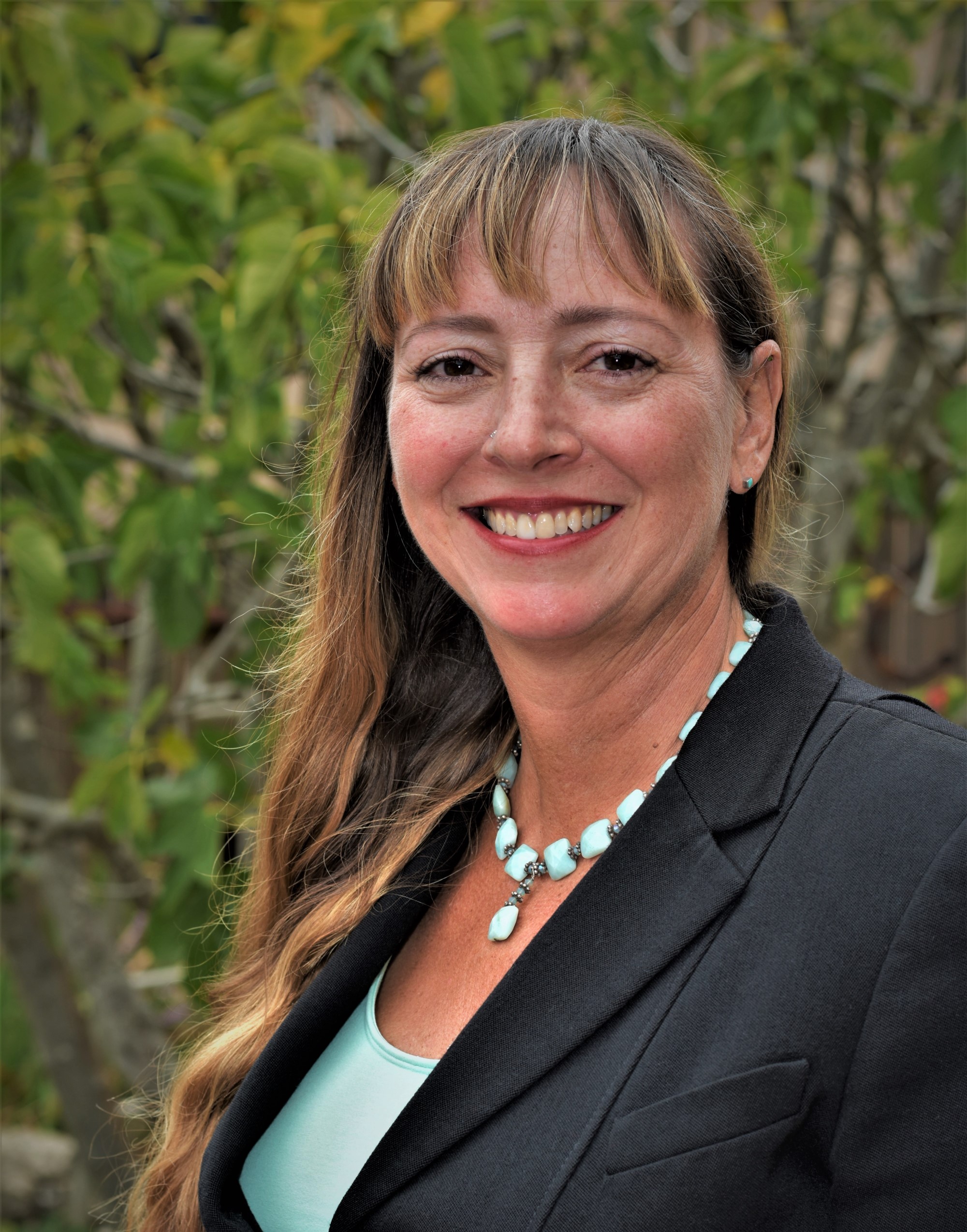
Taletha Derrington
About

Taletha Derrington

Decades of evaluation, research, technical assistance, and implementation experience across education and public health programs in U.S. states and territories.

My work centers cultural humility, people with lived experience, and collaborative partnership — and flexes to the level of involvement your team needs, from a single conversation to full planning, implementation, and reporting.

Contact

Let's talk about your work.

Tell me what you need and the level of support you're looking for — subject-matter consult, a defined deliverable, or a full engagement. I'll meet you there.

Opens your email client, pre-addressed to Taletha.